Table of Contents
- What is berberine?
- Berberine's primary mechanisms of action
- The published research on berberine — key findings by health context
- Purity and dose: why 97% matters
- Berberine in two Priority One formulas: different contexts, same commitment to quality
- What to look for in a berberine supplement
- Important guidance on berberine supplementation
- Berberine across the Priority One product range
- FAQs
Berberine hcl is one of the most extensively published natural compounds in modern nutritional research — with over 3,000 peer-reviewed studies examining its mechanisms of action, its role in supporting normal metabolic function, and its activity in gut health contexts.*
At Priority One Nutritional Supplements, berberine HCl 97% appears in two distinct formulas developed by Dr. Mona Morstein ND — each targeting a different physiological context but both reflecting the same commitment to high-purity, high-dose, evidence-informed formulation.* This article explores the published research behind berberine, what purity and dose mean in practice, and how berberine fits into both the SIBO Protocol and metabolic health support.*
This article is for educational purposes only and does not constitute medical advice. Always consult your licensed healthcare practitioner before beginning any supplement protocol.*
What is berberine?
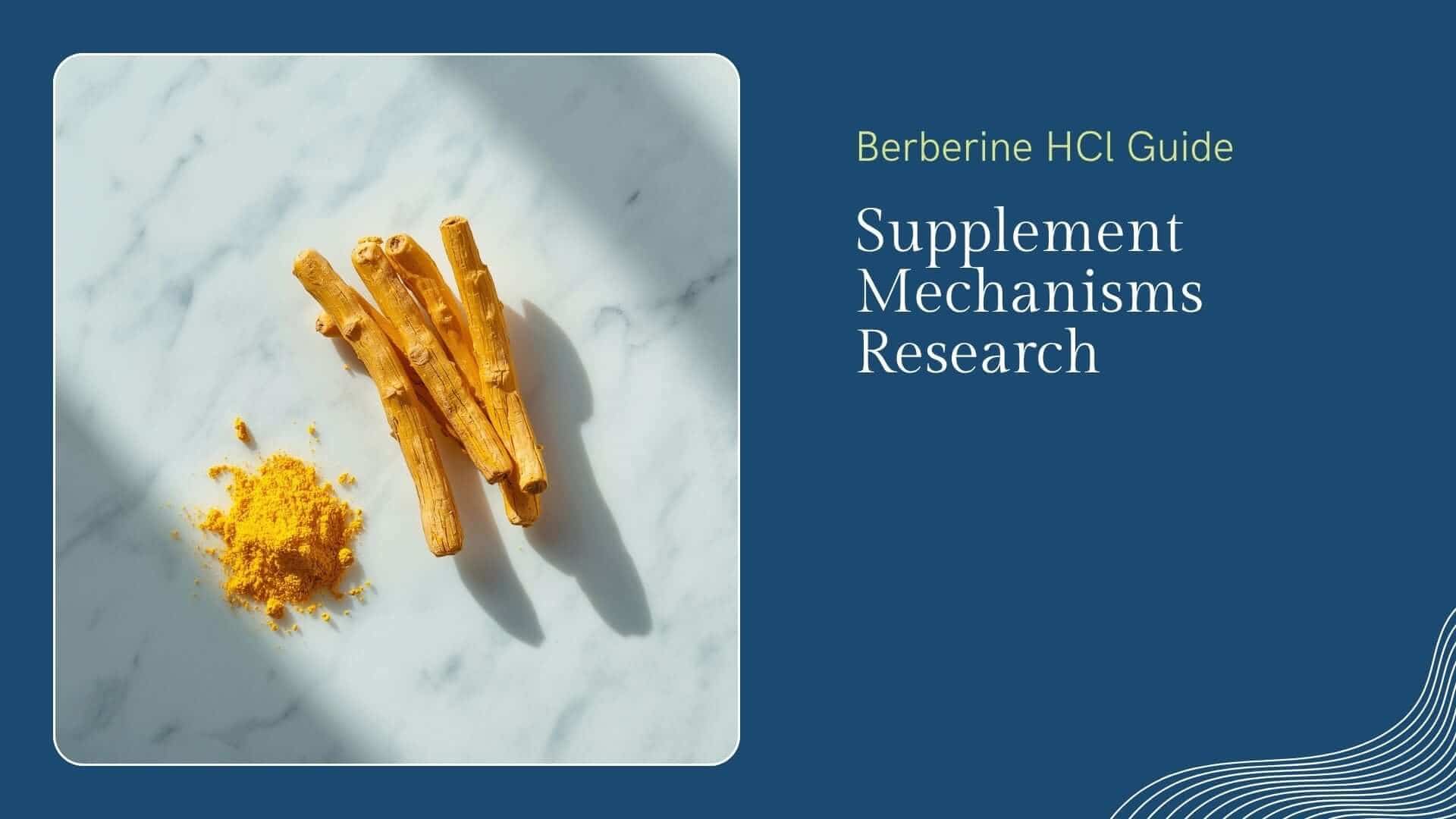
Berberine is a quaternary ammonium alkaloid — a naturally occurring isoquinoline compound found in several botanical species including Coptis chinensis (Chinese goldthread), Berberis vulgaris (barberry), Berberis aristata (tree turmeric), and Hydrastis canadensis (goldenseal). It is the distinctive yellow-pigmented alkaloid responsible for the characteristic golden color of these plant roots and bark.*
Priority One uses berberine sourced from Coptis chinensis root — the species with the highest berberine concentration of the commonly used berberine sources, and the species most frequently used in published clinical research on berberine supplementation.*
Berberine HCl refers to the hydrochloride salt form of berberine — the standard pharmaceutical-grade form used in the vast majority of published research. The "97%" purity designation is important: it means 97% of the extract weight is pure berberine alkaloid, with only 3% consisting of extraction residuals and minor alkaloids. This distinguishes it from lower-purity berberine extracts (commonly 85–90%) that deliver meaningfully less active berberine per milligram.*
Berberine's primary mechanisms of action
What makes berberine uniquely interesting from a research perspective is the breadth of its documented mechanisms — it acts through multiple distinct pathways simultaneously, each of which has been examined extensively in published laboratory and clinical research.*
AMPK activation — the metabolic master switch
The most extensively studied mechanism of berberine is its activation of AMP-activated protein kinase — commonly referred to as AMPK. AMPK is a cellular energy sensor and master metabolic regulator present in virtually every tissue in the body. When activated, AMPK initiates a cascade of metabolic effects including:*
- Support for normal glucose uptake by cells via GLUT4 transporter translocation*
- Support for normal fatty acid oxidation (fat burning) by inhibiting ACC (acetyl-CoA carboxylase)*
- Support for normal hepatic glucose output regulation*
- Support for normal mitochondrial biogenesis and cellular energy metabolism*
Published research has examined berberine's AMPK activation across liver, muscle, adipose, and intestinal cell lines — with the AMPK pathway considered the primary mechanism behind berberine's extensively studied metabolic health properties.*
DNA intercalation and FtsZ inhibition — gut microbial balance support
In the context of gut microbial balance support, berberine operates through distinct mechanisms from its metabolic pathways. Published in vitro research has examined two primary mechanisms:*
- DNA intercalation: Berberine's planar isoquinoline structure allows it to insert between base pairs in bacterial DNA — intercalating into the double helix and inhibiting DNA replication and RNA transcription. This has been demonstrated in vitro across multiple bacterial species commonly studied in the context of gut microbial imbalance.*
- FtsZ inhibition: FtsZ is the bacterial cell division protein — the prokaryotic equivalent of tubulin that forms the Z-ring required for bacterial cell division. Published in vitro research has shown berberine binds FtsZ, inhibiting normal bacterial cell division and contributing to its broad-spectrum botanical activity.*
These two mechanisms — DNA replication inhibition and cell division inhibition — operate independently and complementarily, and are both distinct from the membrane-targeting mechanisms of oregano oil and caprylic acid in SIBOtic™. This mechanistic distinctiveness is precisely why berberine is combined with three other compounds in SIBOtic™ rather than used alone.*
Gut microbiome modulation
Beyond its direct in vitro activity against individual microbial species, published human research has examined berberine's broader effects on the gut microbiome composition. A 2018 study published in Cell Metabolism examined how berberine supplementation in human subjects affected gut microbiome composition — observing changes in the relative abundance of short-chain fatty acid-producing bacteria and metabolically relevant microbial species.* This microbiome-modulating dimension of berberine adds a further layer of complexity to its gut health research profile.*
The published research on berberine — key findings by health context
Metabolic health and normal blood sugar support
The most extensive body of human clinical research on berberine relates to its role in supporting normal blood glucose metabolism and healthy insulin sensitivity. Several notable published studies:
- A 2008 randomised controlled trial published in Metabolism by Zhang et al. examined berberine at 500mg three times daily in participants with newly diagnosed metabolic concerns over 3 months. The study observed meaningful improvements in fasting blood glucose, postprandial glucose, and HbA1c measures compared to controls.* This remains one of the most widely cited berberine studies in metabolic health literature.*
- A 2012 meta-analysis published in the Journal of Ethnopharmacology examined 14 randomized controlled trials involving berberine and metabolic health outcomes, concluding that berberine was associated with significant improvements in fasting blood glucose, postprandial glucose, and HbA1c.* The authors noted that the evidence base was comparable to some pharmaceutical agents in the same category, though they called for larger trials with longer follow-up periods.*
- Published research has proposed that berberine's metabolic effects occur through multiple pathways simultaneously — AMPK activation, gut microbiome modulation affecting short-chain fatty acid production, GLP-1 secretion support, and direct hepatic glucose regulation.* This multi-pathway profile distinguishes berberine from single-mechanism agents.*
Important compliance note: These research citations describe published studies examining berberine's effects on blood glucose measures. Priority One's Diamend™ is a supplement supporting normal blood glucose metabolism within the normal range — it is not intended to diagnose, treat, cure, or prevent diabetes or any other disease. If you have diabetes or are taking blood sugar medications, always consult your healthcare provider before using Diamend™ or any berberine-containing supplement.*
Gut microbial balance support
In the context of gut health, berberine has been studied specifically in the context of small intestinal bacterial overgrowth. A published randomized controlled trial examined berberine's effects on hydrogen breath test results and digestive symptoms in participants with SIBO — observing meaningful improvements in both breath test results and digestive comfort in the berberine group.* The mechanistic research on DNA intercalation and FtsZ inhibition provides biological plausibility for these observed outcomes.*
For a complete discussion of how berberine fits into the SIBO Protocol alongside garlic allicin, caprylic acid, and oregano oil, see our Botanical Support for Gut Microbial Balance article.*
Normal lipid metabolism support
Published research has also examined berberine's effects on normal lipid metabolism. A 2004 study published in the Journal of Cardiovascular Pharmacology reported that berberine supplementation was associated with meaningful reductions in total cholesterol, LDL cholesterol, and triglycerides in participants with hyperlipidemia, proposing PCSK9 inhibition and LDL receptor upregulation as mechanisms.* Multiple subsequent studies have examined these lipid-related mechanisms, making berberine one of the most studied natural compounds for normal cholesterol metabolism support.*
Purity and dose: why 97% matters
Not all berberine supplements are equivalent. The two most important quality variables are purity and dose — and both vary dramatically across commercially available products:
| Quality variable | Standard market products | Priority One standard |
|---|---|---|
| Purity | Typically 85–90% berberine HCl — 10–15% of the extract weight is non-berberine material | 97% berberine HCl — only 3% non-berberine extraction residuals. More active berberine per milligram.* |
| Source species | Often unstated or mixed-source — variable alkaloid profiles | Coptis chinensis root — highest berberine concentration of common sources; most frequently used in published research* |
| Dose in SIBOtic™ | Many SIBO formulas: 200–400mg berberine | 500mg per serving — 485mg pure berberine at 97% purity* |
| Dose in Diamend™ | Most metabolic formulas: 250–500mg berberine | 600mg AM / 400mg PM — split dosing to account for berberine's relatively short half-life and optimize sustained availability throughout the day* |
| Testing | Variable — many products not third-party tested | Third-party tested for purity and potency every batch; GMP certified; FDA 21 CFR Part 111 and NSF/ANSI 455-2 certified* |
Berberine in two Priority One formulas: different contexts, same commitment to quality
SIBOtic™ — gut microbial balance support (500mg Berberine HCl 97%)
SIBOtic- Ingredientes que equilibran las bacterias*
$87.50
SIBOtic es una formulación única de la Dra. Mona Morstein que contiene una colección completa y dosificada terapéuticamente de ingredientes que equilibran las bacterias en un solo producto. Diseñado para pacientes que prefieren una alternativa botánica de alta potencia. Paso… read more

SIBOtic™ uses 500mg of Berberine HCl 97% per serving as one of four complementary botanical compounds in the Stage 1 gut microbial balance support formula.* In this context, berberine's primary role is supporting normal gut microbial balance via its DNA intercalation and FtsZ inhibition mechanisms — working alongside Garlic 1% Allicin (1,500mg), Caprylic Acid (300mg), and Oregano Oil (300mg) to provide four-mechanism botanical coverage across hydrogen-producing bacteria and methane-producing archaea.*
The 500mg dose reflects the amounts used in published SIBO-context research, and the 97% purity ensures that 485mg of that 500mg total is pure berberine alkaloid — not extraction residuals.* SIBOtic™ is available individually or as part of the SIBO Support Bundle.*
Diamend™ — metabolic and blood sugar support (600mg AM / 400mg PM Berberine HCl 97%)
Diamend™ (150 tabletas) Apoyo completo e integral a las vías que mantienen un metabolismo saludable del azúcar.* - Formulación exclusiva de la Dra. Mona Morstein
$180.00
Diamend son suplementos exclusivos para el mantenimiento del azúcar en sangre formulados por la Dra. Mona Morstein. El suplemento Diamend de Priority One proporciona un amplio espectro de antioxidantes en dosis terapéuticas. Está diseñado para proporcionar equilibrio y apoyo para… read more

Diamend™ is Dr. Morstein's advanced metabolic support formula — developed by a naturopathic physician with decades of clinical experience specialising in integrative metabolic health and the author of the clinical reference Master Your Diabetes.* Diamend™ uses a split AM/PM dosing protocol — 600mg berberine in the morning dose and 400mg in the evening dose — designed to maintain consistent berberine availability throughout the day, given berberine's relatively short half-life.*
In Diamend™, berberine is combined with ChromeMate® Chromium, Gymnema Leaf Extract 75% Gymnemic Acid, R-Alpha Lipoic Acid, Meriva® Curcumin, Benfotiamine, N-Acetyl L-Cysteine, Bilberry Extract, Green Tea 70% EGCG, and Vanadyl Sulfate — creating a ten-compound metabolic support formula that addresses normal blood glucose metabolism, healthy insulin sensitivity, normal lipid metabolism, antioxidant protection of metabolically active tissues, and normal peripheral nerve function support.* $180 for a 30-day supply.*
Important warning for Diamend™: Diamend™ contains ingredients that support normal blood sugar metabolism and may affect blood glucose levels. If you have diabetes, are taking blood sugar medications (including metformin, insulin, or sulphonylureas), or any other medications, consult your healthcare provider before use. Regular blood glucose monitoring is strongly recommended. Do not use as a substitute for prescribed diabetes management.*
What to look for in a berberine supplement
Given the wide variation in berberine product quality, here is what to evaluate before choosing a supplement:*
- Purity percentage: Look for 97% HCl designation. Products listing simply "berberine extract" without a purity percentage cannot be accurately assessed for active content.*
- Source species: Coptis chinensis or Berberis aristata are the most research-backed sources. Unstated or mixed-source berberine has variable alkaloid profiles.*
- Dose per serving: The published research on metabolic health generally uses 500–1,500mg per day in divided doses. Many retail berberine products provide 250–400mg per serving — below the doses used in the studies most commonly cited in marketing.*
- What it is combined with: For gut health protocols, berberine is most effective as part of a multi-compound botanical formula.* For metabolic support, combination with complementary nutrients like chromium, alpha lipoic acid, and gymnema provides broader multi-pathway support.*
- Manufacturing standards: GMP certification, third-party testing, and NSF certification are the minimum standards for any practitioner-grade berberine supplement.*
Important guidance on berberine supplementation
- Berberine and medications — consult your healthcare provider. Berberine is a pharmacologically active compound that may interact with multiple medication classes — including blood sugar medications, blood thinners, certain antibiotics, and cyclosporine. Always disclose berberine use to your prescribing physician.*
- Berberine is not recommended during pregnancy or breastfeeding. Published research has raised concerns about berberine crossing the placental barrier. Not for use during pregnancy or breastfeeding.*
- Berberine and gut flora. Like all broad-spectrum botanical compounds, berberine is not selective in its gut microbial activity. This is one reason the gut rebuilding phase (Stage 3 of the SIBO Protocol) is important following a period of active botanical gut support.* See our Probiotics & SIBO guide for more on microbiome rebuilding.*
- Start low, go slow. Some individuals experience digestive discomfort — including loose stools or nausea — when beginning berberine at full dose. Your healthcare practitioner may recommend starting at a lower serving and gradually increasing.*
Berberine across the Priority One product range
| Product | Berberine dose | Primary health context | Other key ingredients |
|---|---|---|---|
| SIBOtic™ | 500mg Berberine HCl 97% per serving | Gut microbial balance support — Stage 1 SIBO Protocol* | Garlic 1% Allicin 1,500mg, Caprylic Acid 300mg, Oregano Oil 300mg |
| Diamend™ | 600mg AM / 400mg PM Berberine HCl 97% | Metabolic and normal blood glucose support* | ChromeMate® Chromium, Gymnema 75%, R-ALA, Meriva® Curcumin, Benfotiamine, NAC, Green Tea 70% EGCG |
*These statements have not been evaluated by the Food and Drug Administration. These products are not intended to diagnose, treat, cure, or prevent any disease. This article is for educational purposes only and does not constitute medical advice. Research citations describe published studies and do not constitute evidence that Priority One products produce the same outcomes. Individual responses to berberine supplementation vary. Berberine interacts with multiple medication classes — always consult your physician or qualified healthcare provider before beginning berberine supplementation, particularly if you have any health condition or are taking prescription medications including blood sugar medications, blood thinners, or antibiotics. Not for use during pregnancy or breastfeeding. Priority One Nutritional Supplements is an FDA 21 CFR Part 111 and NSF/ANSI 455-2 certified company.
FAQs
What is berberine HCl and why does purity matter?
Berberine HCl is the hydrochloride salt form of berberine — the standard form used in published research. Purity refers to the percentage of the extract weight that is pure berberine alkaloid. At 97% purity, 97% of every milligram is pure berberine — versus 85–90% in many standard products. Higher purity means more active berberine per milligram of extract, which matters for both dose accuracy and value.* Priority One uses 97% purity berberine HCl in both SIBOtic™ and Diamend™.*
What does berberine do in the gut?
Published in vitro research has examined berberine's interactions with gut bacteria through two primary mechanisms: DNA intercalation — inserting into bacterial DNA and inhibiting replication — and FtsZ inhibition — binding the bacterial cell division protein and impairing cell division.* These mechanisms have been studied across gram-positive and gram-negative bacterial species commonly associated with gut microbial imbalance.* In SIBOtic™, berberine works alongside three other botanical compounds for multi-mechanism gut microbial balance support.* Always consult your healthcare practitioner before beginning any gut health supplement protocol.*
Can I take berberine for both gut health and metabolic support?
Berberine appears in two different Priority One formulas for two different health contexts — SIBOtic™ for gut microbial balance support as part of the SIBO Protocol, and Diamend™ for metabolic and normal blood glucose support.* Whether using both simultaneously is appropriate for your individual situation is a question for your licensed healthcare practitioner — particularly given berberine's pharmacological activity and potential medication interactions.*
How is berberine different from metformin?
Berberine and metformin share AMPK activation as a common mechanism, and some published research has drawn comparisons between their metabolic effects in study populations.* However, berberine is a dietary supplement — not a pharmaceutical drug — and is not approved to diagnose, treat, cure, or prevent any disease. It should not be used as a substitute for prescribed medications. Always consult your healthcare provider before making any changes to prescription medication regimens.* Diamend™ contains berberine as part of a multi-compound metabolic support formula — it is a supplement for supporting normal metabolic function within the normal range.*