Table of Contents
- Histamine Intolerance vs. Mast Cell Activation
- 1. Stress and the Nervous System
- 2. Digestive Health and the Microbiome
- 3. Environmental and Lifestyle Triggers
- 4. Nutritional Factors and the Body’s Natural Pathways
- 1. Quercetin
- 2. Vitamin C
- 3. Bromelain
- 4. DAO Cofactor Nutrients
- 5. Magnesium
- 6. Omega-3 Fatty Acids
- FAQs
Histamine Intolerance vs. Mast Cell Activation
Histamine-related concerns are becoming increasingly common, with more people noticing sensitivities to certain foods, environmental triggers, or periods of heightened stress. As information spreads online, two concepts regularly come up in conversation: histamine intolerance and mast cell activation. While they may seem interchangeable, these are actually distinct physiological patterns — and understanding the difference can be incredibly helpful when exploring how to support your body naturally.
This article breaks down the key differences. Whether you’ve read our companion article, Chronic Histamine Response: How to Support Your Body (https://priorityonevitamins.com/a/blog/chronic-histamine-response-how-to-support-your-body), or you’re just starting your research, this guide will help you better understand the body’s relationship with histamine and mast cells.
What Is Histamine? A Quick Refresher
Histamine is a naturally occurring compound that plays several important roles:
It supports normal immune signaling
It helps regulate stomach acid
It is involved in the body's normal inflammatory response
It assists with communication between cells
While often associated with discomfort, histamine is not inherently problematic. It only becomes an issue when there is too much histamine, or when the body has difficulty breaking histamine down effectively. This is what leads to the concept of histamine intolerance.
What Is Histamine Intolerance?
Histamine intolerance is not an allergy. Instead, it refers to a situation where histamine levels rise faster than the body can metabolize them. When this imbalance occurs, individuals may notice heightened sensitivity to foods or environmental influences that naturally contain histamine or that support histamine release.
Factors that may influence histamine balance include:
Foods naturally high in histamine (aged cheeses, fermented foods, alcohol)
Foods that may encourage histamine release (citrus, strawberries, chocolate)
Gut health patterns, including the balance of gut microbes
Digestive or dietary stressors
Nutrients involved in the body’s normal histamine breakdown pathways
Environmental exposures
Periods of elevated stress
The body primarily relies on an enzyme called diamine oxidase (DAO) to help break down histamine obtained through the diet. Some individuals naturally produce less DAO, and others experience fluctuations based on lifestyle or digestive changes.
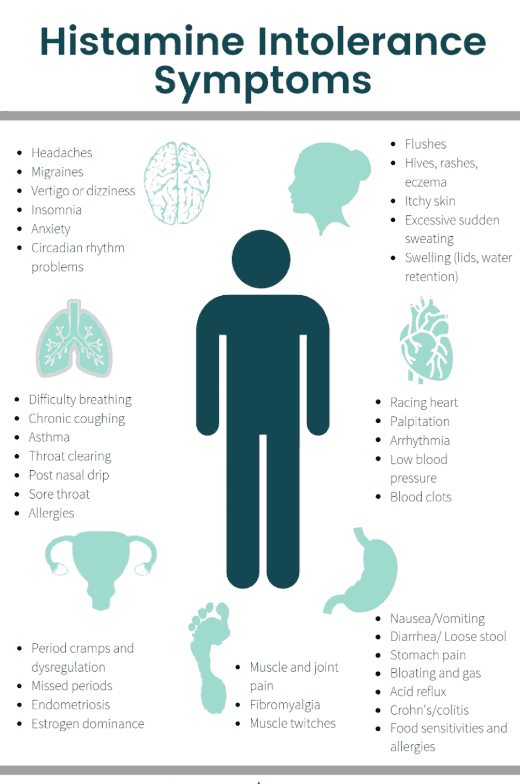
When total histamine builds up beyond what the body can comfortably manage, individuals may notice signs that the system is working harder than usual.
What Is Mast Cell Activation?
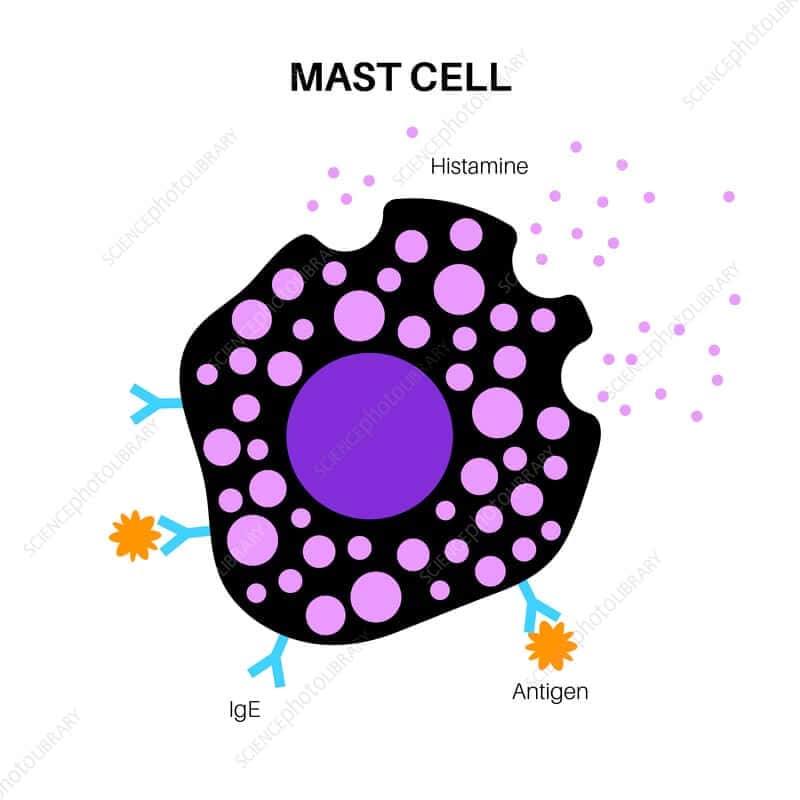
Mast cells are a type of immune cell found throughout the body — especially in tissues that interact with the outside world, such as the gut, skin, respiratory pathways, and sinuses.
Their primary roles include:
Releasing signaling compounds in response to environmental triggers
Supporting the body's normal protective inflammatory processes
Communicating with other immune cells
Mast cells often come up in discussions about histamine because they naturally release histamine as part of their normal immune function.
Mast cell activation refers to a pattern where mast cells become highly reactive to various internal or external stimuli. Unlike histamine intolerance, which is primarily an issue of histamine buildup, mast cell activation involves broader immune-cell signaling and reactivity.
Common influences on mast cell activation patterns include:
Environmental exposures
Certain foods
Temperature extremes
Periods of emotional or physical stress
Intense exercise for some individuals
Personal sensitivity patterns
Mast cell activation may result in a more complex pattern than simple histamine overload, because mast cells release numerous signaling compounds beyond histamine.
Histamine Intolerance vs. Mast Cell Activation: Key Differences
Although they share some overlap, these two experiences arise from different underlying processes.
1. Primary Mechanism
Histamine intolerance: Difficulty managing histamine load.
Mast cell activation: Heightened responsiveness of mast cells, potentially releasing multiple signaling compounds.
2. Triggers
Histamine intolerance: Often tied to diet, digestive factors, or enzyme balance.
Mast cell activation: May involve a wider range of triggers, including temperature, stress, exercise, or environmental exposures.
3. Scope
Histamine intolerance: Primarily relates to histamine breakdown.
Mast cell activation: Broad immune-cell involvement, including—but not limited to—histamine release.
4. Nutritional Considerations
Histamine intolerance: Supportive nutrients often focus on digestive balance and histamine metabolism.
Mast cell activation: Emphasis may include nutrients traditionally associated with supporting the body’s natural inflammatory and immune response.
Identifying the difference is helpful because it guides the types of lifestyle and nutritional strategies a person may choose to explore with a healthcare provider.
What Influences Histamine and Mast Cells in the Body?
While every individual is unique, several areas commonly influence histamine levels and mast cell patterns.
1. Stress and the Nervous System
Periods of emotional pressure or prolonged stress can influence:
Digestive comfort
Immune sensitivity
Histamine release
Sleep cycles
Overall hormone balance
This makes stress management one of the most impactful lifestyle strategies for histamine-supportive wellness.
Helpful practices may include:
Mindful breathing
Gentle stretching
Time outdoors
Journaling
Mind-body practices such as yoga or meditation
2. Digestive Health and the Microbiome
The gut plays a central role in histamine metabolism. Certain microbes can naturally produce histamine, while others may help maintain balance.
Factors that influence gut-health and histamine include:
Digestive motility
Microbial diversity
Food sensitivities
Stress
Overall diet pattern
Nourishing the digestive system with varied, nutrient-dense foods, staying hydrated, and paying attention to food reactions are all helpful starting points.
3. Environmental and Lifestyle Triggers
These may include:
Weather shifts
Humidity changes
Strong fragrances
Household cleaners
Pollens
Temperature changes
Identifying patterns can help individuals plan for supportive strategies in advance.
4. Nutritional Factors and the Body’s Natural Pathways
Certain nutrients naturally support the body’s normal inflammatory, immune, and histamine-balancing processes. While supplements cannot diagnose, treat, or cure health concerns, many individuals find value in understanding what nutrients science has explored in relation to these pathways.
Below is an educational overview.
Helpful Nutrients for Histamine and Mast Cell Support
This section provides a deeper look at nutrients often discussed in scientific research in relation to histamine metabolism, mast cell stability, or the body’s natural inflammatory response.
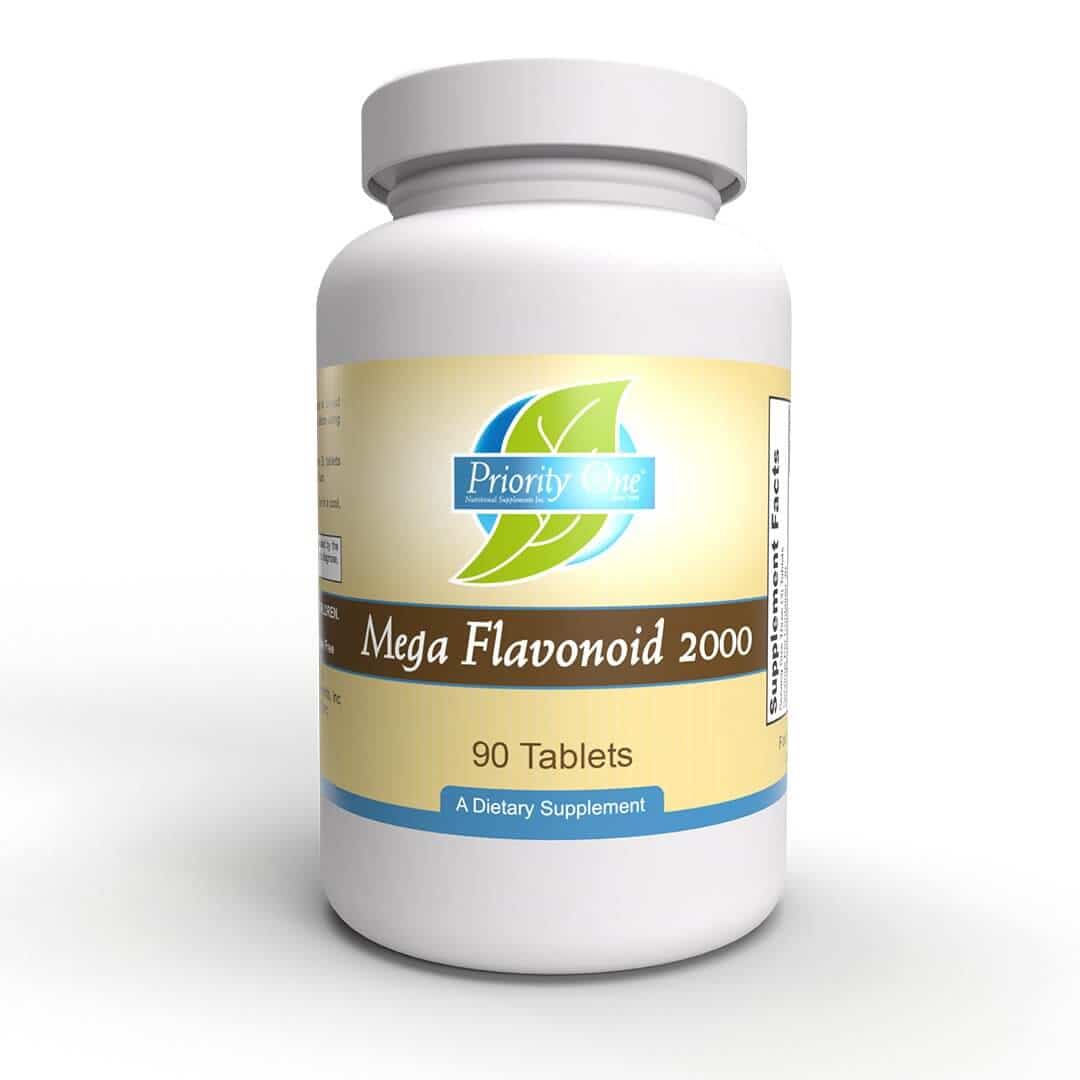
1. Quercetin
Quercetin is a plant pigment found in onions, apples, berries, and herbs. Research has explored its role in supporting the body’s natural inflammatory response and maintaining normal mast cell function.
Mega Flavonoid 2000 (90 tabletas) Nuestros suplementos Mega Flavonoid 2000 son una combinación de bioflavonoides en dosis altas en forma de tabletas.*
$73.50
Los suplementos Mega Flavonoid 2000 son un complejo de bioflavonoides en dosis altas mezclado sinérgicamente con niveles terapéuticos de vitamina A, C y zinc. Los bioflavonoides son pigmentos vegetales que dan color a las frutas y verduras. Ayudan a la… read more

External reference:
National Library of Medicine – https://pubmed.ncbi.nlm.nih.gov/31284401/
2. Vitamin C
Vitamin C supports antioxidant activity and plays a role in normal immune function. Some research suggests it may assist in maintaining healthy histamine levels within the body.
External reference:
Estrés B y C: los suplementos de vitamina B y C brindan apoyo para el estrés y las glándulas suprarrenales.*
$40.70
Stress B & C es un complejo B de diseño exclusivo con glándula suprarrenal completa para respaldar la salud de los nervios, la piel, los ojos y las funciones gastrointestinales y cerebrales.* Stress B & C está diseñado con nutrientes… read more

NIH Office of Dietary Supplements – https://ods.od.nih.gov/factsheets/VitaminC-Consumer/
3. Bromelain
Derived from pineapple stems, bromelain is studied for its potential to support normal inflammatory pathways and complement other nutrients like quercetin.
Enflam (90 cápsulas vegetarianas) promueve una respuesta inflamatoria saludable, como en el caso del ejercicio extenuante.*
$67.50
Enflam es una combinación de bioflavonoides en dosis altas diseñada para respaldar el mantenimiento natural de los tejidos y capilares sanos del cuerpo. Promueve una respuesta inflamatoria saludable, como en el caso del ejercicio extenuante. Adecuado como suplemento post-entrenamiento para… read more

4. DAO Cofactor Nutrients
The body’s ability to metabolize dietary histamine relies on an enzyme called DAO. While some individuals naturally produce less of this enzyme, certain nutrients act as cofactors for normal enzymatic function. These may include:
Copper
Vitamin B6
Vitamin C
Total Gland Plus: órganos y glándulas de carne de res alimentada con pasto.*
$71.50
Total Gland Plus es el multivitamínico definitivo de la naturaleza, un suplemento multiglandular integral diseñado para respaldar todo el sistema endocrino saludable de hombres y mujeres.* Nuestro producto proviene de órganos y glándulas liofilizados de los principales criadores de ganado… read more

Again, this is not a treatment—simply an educational overview of nutrients involved in natural enzymatic processes.
5. Magnesium
Magnesium supports muscle relaxation, nervous-system balance, and overall wellness — all relevant to histamine and mast cell patterns influenced by stress.
Orotato de Magnesio (100 Cápsulas Vegetarianas)
$44.00
Un mineral esencial que ayuda en la producción y transferencia de energía, en la conducción y relajación muscular, en la conducción nerviosa y en muchas reacciones bioquímicas como cofactor de las enzimas.* Los suplementos de orotato de magnesio brindan apoyo… read more

6. Omega-3 Fatty Acids
Omega-3s from foods like flax, salmon, sardines, and walnuts support the body’s natural inflammatory balance.
Alaska caught wild Salmon is an excellent source of Omega-3 Fatty acids
Lifestyle Strategies to Support the Body Naturally
Along with nutrition and stress management, these lifestyle considerations often support individuals exploring histamine-related wellness.
1. Create a Calm Nervous-System Environment
Regular sleep
Adequate rest
Consistent daily rhythms
Time in natural light
2. Focus on Gentle Movement
Certain forms of movement—walking, stretching, mobility exercises—may feel more comfortable for individuals navigating histamine sensitivity or mast cell patterns.
3. Supportive Hydration
Water helps support digestion, circulation, and natural detox pathways.
4. Mindful Eating Patterns
Some individuals find it helpful to:
Eat slowly
Avoid long gaps between meals
Observe how foods make them feel
Keep a food and symptom journal
5. Reduce Environmental Irritants
Consider swapping strong fragrances, aerosols, and harsh cleaning chemicals for gentler alternatives.
Understanding the difference between histamine intolerance and mast cell activation provides valuable insight into how the body responds to foods, stressors, and environmental factors. While the two concepts overlap, they arise from unique mechanisms — one centered on histamine breakdown, the other on mast cell responsiveness.
Lifestyle strategies, mindful eating, digestive health, and supportive nutrients may all play a role in overall wellness. As always, individuals should consult a healthcare provider when exploring dietary or supplement changes.
FAQs
1. Are histamine intolerance and mast cell activation the same thing?
No. Histamine intolerance primarily involves difficulty breaking down histamine. Mast cell activation involves heightened mast cell responsiveness and may include multiple signaling compounds.
2. Can someone experience both at the same time?
Some individuals explore both concepts together because histamine is part of mast cell activity. However, they arise from different mechanisms.
3. What foods are naturally high in histamine?
Examples often include aged cheeses, fermented foods, processed meats, vinegars, tomatoes, alcohol, and leftovers.
4. Can lifestyle factors influence histamine levels?
Stress, sleep, digestive balance, hydration, and environmental exposures may all play a role.
5. Are nutrients helpful for histamine balance?
Many nutrients are studied for their roles in supporting natural inflammatory processes, enzymatic activity, or immune balance. These include quercetin, vitamin C, magnesium, omega-3s, and others. This information is educational only.