Table of Contents
- Why SIBO involves different gas profiles
- How hydrogen and methane SIBO differ: a comparison
- Why methane slows intestinal transit
- The Migrating Motor Complex — and why it matters for both profiles
- How the Priority One SIBO Protocol supports both profiles
- Dietary considerations for each profile
- Getting tested — the starting point
- Explore the full Priority One SIBO Protocol
- FAQs
If you have been researching SIBO — Small Intestinal Bacterial Overgrowth — you have likely come across references to "hydrogen SIBO" and "methane SIBO," or seen breath test results that measure both hydrogen and methane gas. Understanding the distinction between these two gut ecology profiles matters, because the microbial populations involved, the digestive symptoms typically associated with each, and the specific supplement support most relevant to each profile differ in meaningful ways.*
This article is for educational purposes only and does not constitute medical advice. Always consult your licensed healthcare practitioner before making any changes to your supplement or dietary regimen. Breath testing and health assessment by a qualified practitioner is the appropriate starting point for any gut health protocol.*
Why SIBO involves different gas profiles
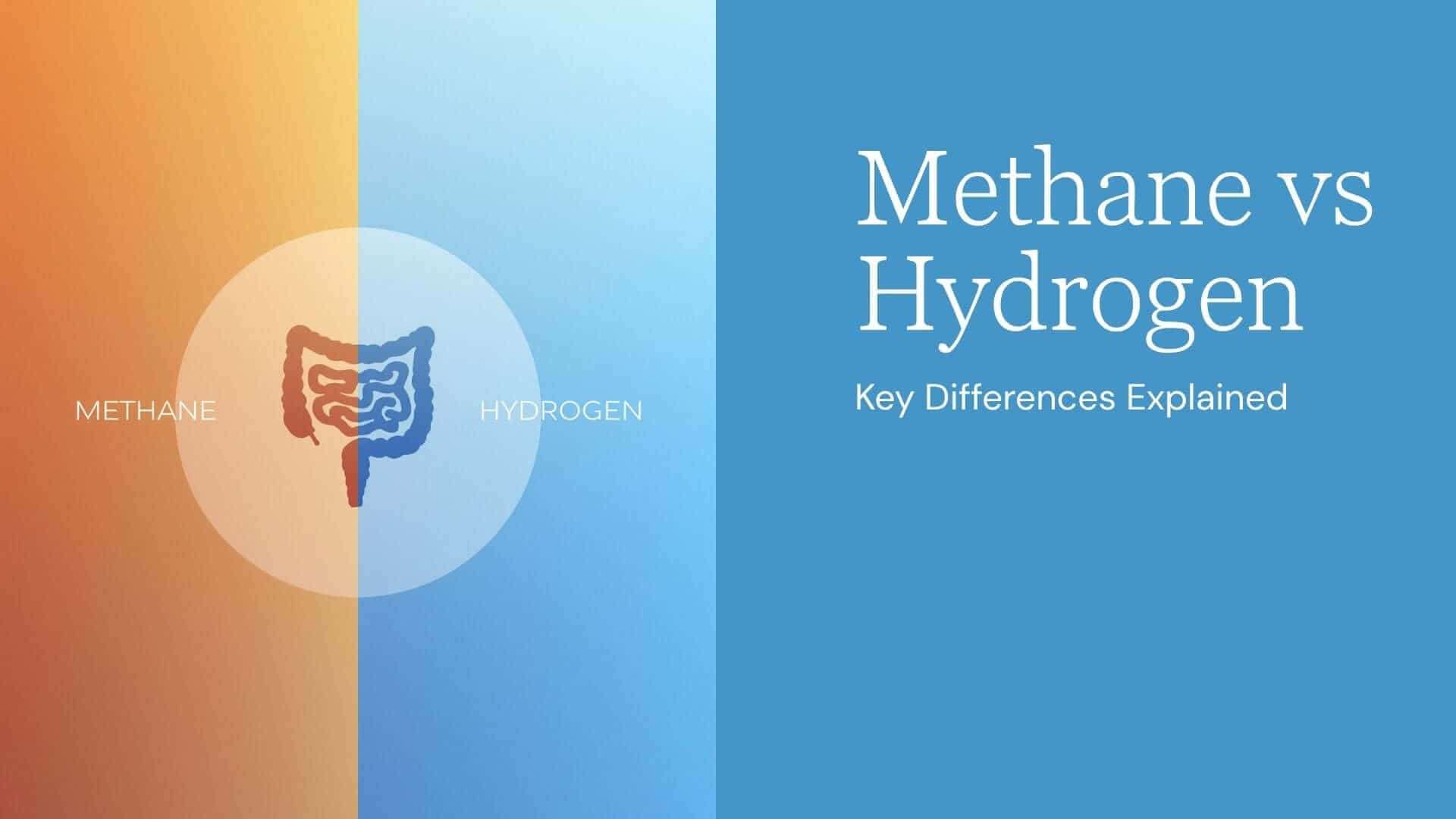
SIBO is characterized by an imbalance of microbial populations in the small intestine. What distinguishes hydrogen SIBO from methane SIBO is not simply the gas itself — it is the nature of the microorganisms involved and the fermentation pathways they use.*
When fermentable carbohydrates reach the small intestine, resident microorganisms ferment them. In a healthy gut, this fermentation occurs primarily in the large intestine. When microbial populations are imbalanced in the small intestine, fermentation occurs earlier and in the wrong location — producing gas that contributes to the bloating, distension, and digestive discomfort commonly associated with SIBO.*
The type of gas produced depends largely on which organisms are present and dominant:
- Hydrogen SIBO involves an overgrowth of hydrogen-producing bacteria — gram-positive and gram-negative bacterial species that ferment carbohydrates and produce hydrogen (H₂) as a primary byproduct.*
- Methane SIBO (also called Intestinal Methanogen Overgrowth or IMO in some clinical contexts) involves an overgrowth of methane-producing microorganisms called archaea — primarily Methanobrevibacter smithii — which consume the hydrogen produced by bacteria and convert it into methane (CH₄).*
- Mixed profiles involve both hydrogen-producing bacteria and methane-producing archaea, producing elevations in both gas types on breath testing.*
Important note on terminology: Some practitioners now use the term "Intestinal Methanogen Overgrowth (IMO)" specifically for methane-dominant profiles, since archaea are technically not bacteria. For the purposes of this educational article, we use the commonly understood terms "methane SIBO" and "hydrogen SIBO" as they appear most frequently in patient-facing literature and search queries.
How hydrogen and methane SIBO differ: a comparison
| Hydrogen SIBO | Methane SIBO / IMO | |
|---|---|---|
| Organisms involved | Hydrogen-producing bacteria (e.g. E. coli, Klebsiella, Enterococcus species) | Methane-producing archaea — primarily Methanobrevibacter smithii |
| Gas produced | Hydrogen (H₂) — detectable on lactulose/glucose breath test | Methane (CH₄) — detectable on lactulose/glucose breath test |
| Bowel habit association | More commonly associated with looser stools or diarrhea-predominant patterns in published research | More commonly associated with constipation-predominant patterns; methane has been shown in research to slow intestinal transit |
| Bloating and gas | Bloating and gas commonly reported; typically rapid onset after fermentable carbohydrate consumption | Bloating commonly reported; may be associated with harder stools and more significant abdominal distension |
| Relationship between the two | Hydrogen gas is produced first by bacteria — it is the substrate methanogens consume | Methanogens depend on hydrogen produced by bacteria — methane SIBO often co-occurs with or follows hydrogen SIBO |
| How it is identified | Lactulose or glucose breath test showing elevated hydrogen levels (typically >20 ppm rise within 90 minutes) | Lactulose or glucose breath test showing elevated methane levels (typically >10 ppm at any point) — consult your practitioner for interpretation |
| Botanical support considerations | Berberine HCl and oregano oil are among the most-studied botanical compounds for hydrogen-producing bacterial profiles* | Garlic allicin has been studied in published research for its activity against Methanobrevibacter smithii specifically* |
Why methane slows intestinal transit
One of the most important and well-documented distinctions between hydrogen and methane profiles is methane's effect on intestinal motility. Published research has shown that methane gas itself — when infused into the intestine — directly slows intestinal transit time. This is distinct from simply being a byproduct: methane appears to have a direct physiological effect on smooth muscle contractile activity, contributing to the constipation-predominant patterns commonly reported by individuals with elevated methane on breath testing.*
This relationship between methane and intestinal transit is one of the reasons that supporting normal intestinal motility — through appropriate nutritional and lifestyle approaches — is considered an important component of gut health support for methane-dominant profiles.* The Migrating Motor Complex (MMC), discussed in detail below, plays a central role in this.*
The Migrating Motor Complex — and why it matters for both profiles
Regardless of whether the dominant gas profile is hydrogen, methane, or mixed, impaired Migrating Motor Complex (MMC) function is widely considered one of the primary predisposing factors for microbial imbalance in the small intestine.*
The MMC generates a wave of organized muscular contractions — sometimes called the intestinal sweep — that migrates from the stomach through the small intestine approximately every 90–120 minutes during fasting periods. This sweep clears undigested food debris, mucus, and displaced microorganisms from the small intestine, helping maintain normal gut ecology. When MMC function is impaired, this cleansing wave is weakened or absent — allowing microorganisms to accumulate in the small intestinal environment.*
Impaired MMC function can result from many factors including low dietary fiber, frequent snacking (which prevents the MMC fasting-phase activation), prior gut infections, certain medications, and chronic stress affecting the enteric nervous system.*
How the Priority One SIBO Protocol supports both profiles
The Priority One SIBO Protocol — developed by Dr. Mona Morstein ND — is designed as a comprehensive gut health support system that addresses the key dimensions of microbial imbalance, digestive function, motility, and intestinal integrity across both hydrogen and methane profiles.* Here is how each product relates to the specific characteristics of each gas profile:
Stage 1 — SIBOtic™: four-compound botanical support for both profiles
SIBOtic- Ingredientes que equilibran las bacterias*
$87.50
SIBOtic es una formulación única de la Dra. Mona Morstein que contiene una colección completa y dosificada terapéuticamente de ingredientes que equilibran las bacterias en un solo producto. Diseñado para pacientes que prefieren una alternativa botánica de alta potencia. Paso… read more

Stage 1 botanical support component of the protocol — a four-compound formula specifically designed to provide broad-spectrum botanical activity across the diverse microbial profiles seen in gut microbial imbalance.*
Its four active compounds are particularly relevant to the two gas profiles in distinct ways:
- Garlic Bulb Extract 1% Allicin (1,500mg): Allicin — the active thiosulfate compound in garlic — has been studied in published research for its botanical activity against Methanobrevibacter smithii, the primary methane-producing archaea associated with methane-dominant profiles. This is the most methane-specific ingredient in the Priority One protocol.* Allicin's thiol enzyme interaction mechanism also differs from the mechanisms of the other three compounds, providing complementary coverage.*
- Berberine HCl 97% (500mg): One of the most extensively published botanical compounds for supporting normal gut microbial balance, with particular relevance to the hydrogen-producing bacterial species commonly implicated in hydrogen-dominant profiles. Berberine's DNA intercalation and FtsZ interaction mechanisms have been examined extensively in vitro and in human gut health studies.*
- Caprylic Acid (300mg): A medium-chain fatty acid studied for its membrane-level interactions with microbial cell phospholipid bilayers, with particular in vitro activity noted against Candida species — a frequent co-occurrence in both hydrogen and methane profiles.*
- Oregano Leaf Oil (300mg): Providing carvacrol and thymol — broad-spectrum botanical compounds studied for membrane permeability interactions across gram-positive, gram-negative bacterial species and Candida in vitro.* Working synergistically with caprylic acid's membrane-level activity.*
Together these four compounds provide complementary botanical coverage relevant to both hydrogen-producing bacterial species and methane-producing archaeal species.* Always use under the guidance of your licensed healthcare practitioner.*
Stage 2 — SIBO-MMC™: motility support — especially relevant for methane profiles
SIBO-MMC: botánicos y nutrientes diseñados para ayudar a maximizar el funcionamiento saludable de los nervios del complejo motor migratorio (MMC). *
$66.00
Mejore su salud intestinal con el suplemento especialmente diseñado por la Dra. Mona Morstein. Repleta de poderosos ingredientes botánicos y nutrientes, esta fórmula respalda el funcionamiento óptimo de los nervios del complejo motor migratorio (MMC). Experimente un proceso de digestión… read more

Stage 2 motility support component — and it is particularly relevant for individuals with methane-dominant profiles, given methane's documented slowing effect on intestinal transit.*
SIBO-MMC™ supports normal MMC function through the serotonergic MMC activation pathway — the primary biochemical mechanism through which normal MMC cycling is initiated:*
- 5-HTP 98% from Griffonia simplicifolia (75mg): The direct serotonin precursor. Approximately 95% of the body's serotonin is produced by enterochromaffin cells in the intestinal mucosa — this intestinal serotonin supports normal MMC activation via 5-HT4 receptors on intestinal smooth muscle.*
- Pyridoxal-5-Phosphate / P-5-P Active B6 (15mg): The active coenzyme form of B6 — the essential cofactor for AADC, the enzyme that converts 5-HTP to serotonin. P-5-P ensures the 5-HTP is efficiently converted to serotonin in the intestinal mucosa.*
- Ginger Extract 5% Gingerols (200mg): Standardised to 5% gingerols — one of the most well-studied prokinetic botanicals, supporting normal gastric emptying via motilin receptor activity and normal antroduodenal motility via 5-HT4 agonism.*
- Jujube Seed Extract 2% Jujuboside (200mg): Supporting normal autonomic nervous system balance — the parasympathetic nervous system is the primary driver of normal MMC initiation.*
SIBO-MMC™ is generally taken between meals or at bedtime to support the fasted-state MMC that occurs between meals — consult your healthcare practitioner for specific guidance on timing and use.*
SIBOZyme™: digestive support across all stages and both profiles
SIBOZyme: apoya la digestión saludable en pacientes que buscan el equilibrio bacteriano del intestino delgado.* - Formulación exclusiva de la Dra. Mona Morstein
$110.00
Mejore la digestión y equilibre la salud intestinal con soporte bacteriano del intestino delgado. Paso 2: Una dosis típica sugerida por el Dr. Morstein es de 1 a 2 cápsulas con las comidas, 3 veces al día. Ingredientes Clorhidrato de… read more

is taken with every meal throughout all stages of the protocol for both hydrogen and methane profiles.* Microbial imbalance in the small intestine impairs digestive enzyme function through multiple mechanisms — including disruption of brush border enzymes and bile acid function — that are relevant regardless of which gas profile is present.*
SIBOZyme™ provides Pancreatin 8X (amylase, lipase, protease), Ox Bile 300mg, Betaine HCl, Tolerase-G® prolyl endopeptidase for gluten peptide support, plus Lactase, Maltase, and Sucrase to support normal brush border enzyme function.*
Note: SIBOZyme™ contains Ox Bile and is not suitable for vegetarians or vegans
SIBOZyme No HCL (180 cápsulas vegetarianas) Respalda una digestión saludable en pacientes que buscan el equilibrio bacteriano del intestino delgado.* - Formulación exclusiva de la Dra. Mona Morstein
$110.00
Por pedido hemos agregado enzimas digestivas SIBOZyme sin HCL a nuestra línea de productos exclusivos formulados por la Dra. Mona Morstein. Formulado para apoyar una digestión saludable en pacientes que buscan un equilibrio bacteriano en el intestino delgado.* Un revestimiento… read more

is available as an alternative formulation.*
Stage 3 — SIBO-Rebuild™: gut integrity support for both profiles
SIBO-Rebuild: apoya la salud de los nervios y del revestimiento intestinal.*
$71.50
Esta formulación especializada de la Dra. Mona Morstein está diseñada para apoyar la salud de los nervios y el revestimiento intestinal.* SIBO-Rebuild TM proporciona elementos para respaldar la capacidad natural del cuerpo para regenerar los nervios del complejo motor migratorio… read more

supports normal intestinal mucosal integrity and enteric nervous system health — the repair dimension of the protocol that is relevant for both hydrogen and methane profiles.* ENS neurodegeneration from chronic gut microbial imbalance is one of the primary reasons imbalance recurs — a damaged ENS produces impaired MMC function, which allows microorganisms to recolonise the small intestinal environment.*
SIBO-Rebuild™ provides L-Glutamine (750mg) for normal enterocyte fuel and tight junction support, Lion's Mane mushroom (250mg) for normal nerve growth factor (NGF) support and ENS neuron maintenance, Acetyl L-Carnitine HCl (750mg) for normal ENS mitochondrial function and acetylcholine support, and Zinc Orotate (10mg) for normal tight junction protein synthesis.*
Dietary considerations for each profile
Both hydrogen and methane profiles generally benefit from a low-FODMAP, low-fermentation dietary approach during the active support phase — minimizing fermentable carbohydrate intake to reduce the substrate available for fermentation in the small intestine.* However, there are a few dietary considerations that differ by profile:
For hydrogen-dominant profiles
- Standard low-FODMAP principles apply — minimize fructans, GOS, lactose, fructose, and polyols.*
- Meal spacing of 4–5 hours between meals supports normal MMC function — critical for gut health maintenance.*
- Many practitioners recommend avoiding fermented foods and probiotics during the active Stage 1 support phase.*
For methane-dominant profiles
- Low-FODMAP principles apply, with particular attention to foods that may further slow intestinal transit.*
- Adequate hydration is widely recommended to support normal stool consistency.*
- Meal spacing is equally important — supporting MMC function is particularly relevant given methane's documented slowing effect on intestinal transit.*
- Some practitioners recommend specific motility-supporting foods (ginger, for example) that may support normal gastric emptying.*
- Always follow the specific dietary guidance of your licensed healthcare practitioner for your individual situation.*
For a complete dietary guide with a 7-day meal plan aligned to the Priority One SIBO Protocol, see our SIBO Diet Guide.*
Getting tested — the starting point
Identifying which gas profile is present requires breath testing — the standard non-invasive assessment tool used by naturopathic physicians and functional medicine practitioners to evaluate gut microbial imbalance. Lactulose and glucose breath tests measure the gases exhaled after consuming a fermentable substrate — hydrogen and methane readings over time indicate whether, and where in the intestine, abnormal fermentation may be occurring.*
We strongly recommend consulting a licensed healthcare practitioner for proper breath testing and interpretation before beginning any gut health supplement protocol. The Priority One SIBO Protocol was developed by Dr. Mona Morstein ND — a leading naturopathic physician specializing in gut health and metabolic wellness — and is designed for use under professional supervision.*
Explore the full Priority One SIBO Protocol
All Priority One SIBO Protocol products are available individually or as the complete SIBO Support Bundle — featuring SIBOtic™, SIBO-MMC™, SIBO-Rebuild™, and SIBOZyme™ together. Additional gut health support products including Biofilm Phase-2 Advanced, Para Clean™, and Tributyrin Advanced are available in our SIBO Protocol collection.*
*These statements have not been evaluated by the Food and Drug Administration. These products are not intended to diagnose, treat, cure, or prevent any disease. This article is for educational purposes only and does not constitute medical advice. The information presented is based on published research and general educational content — it is not clinical guidance and should not replace the personalized advice of a licensed healthcare practitioner. Always consult your physician, naturopathic doctor, or qualified healthcare provider before beginning any supplement protocol or making changes to your diet or health regimen, particularly if you have any health condition or are taking prescription medications. Priority One Nutritional Supplements is an FDA 21 CFR Part 111 and NSF/ANSI 455-2 certified company.
FAQs
Can you have both hydrogen and methane SIBO at the same time?
Yes — mixed profiles showing elevations in both hydrogen and methane are common. Since methane-producing archaea depend on hydrogen as their substrate, the presence of hydrogen-producing bacteria often co-exists with methane-producing archaea. A breath test measuring both gases will show elevated readings for both in a mixed profile. Consult your healthcare practitioner for interpretation and guidance on the most appropriate protocol approach for a mixed profile.*
Is methane SIBO harder to support than hydrogen SIBO?
This is a nuanced question. From a botanical coverage standpoint, garlic allicin — a prominent ingredient in SIBOtic™ — has been specifically studied for its activity against Methanobrevibacter smithii in published research.* Methane's slowing effect on intestinal transit adds an additional dimension — supporting normal motility via SIBO-MMC™ is particularly relevant for methane-dominant profiles.* Always work with a qualified healthcare practitioner who can assess your individual situation.*
How do I know which SIBO gas type I have?
Breath testing — specifically lactulose or glucose breath testing measuring both hydrogen and methane — is the standard assessment tool. Consult a licensed naturopathic physician or functional medicine practitioner for testing and professional interpretation of your results.*
Does the diet change based on whether I have hydrogen or methane SIBO?
The foundational dietary approach — low-FODMAP, low-fermentation eating with structured meal spacing — applies to both profiles. Some practitioners make specific additional recommendations for methane-dominant profiles related to bowel transit support. Your licensed healthcare practitioner is best positioned to provide personalised dietary guidance for your specific gas profile and symptom pattern.*