Table of Contents
Understanding Chronic Histamine Overload: When Your Body’s Defense System Turns Against You!
Do you often experience allergies, brain fog, headaches, or digestive issues? These could be signs of a chronic histamine response. But what exactly is histamine, and why does it affect your body so strongly? In this post, we’ll explore what histamine is, how it impacts your health, and how you can naturally support your body.
What Is Histamine?
Histamine is a biogenic amine — a chemical messenger released by immune cells (mast cells and basophils) as part of your body’s defense system. It helps fight infections and triggers inflammation to alert the body to potential threats.
In healthy amounts, histamine:
Aids digestion by stimulating stomach acid.
Regulates sleep and wake cycles.
Supports neurotransmission in the brain.
Helps your immune system respond to allergens or injury.
However, problems arise when too much histamine builds up — or when the enzyme responsible for breaking it down (DAO, or diamine oxidase) can’t keep up.
When histamine production exceeds breakdown (or clearance), that’s when the system gets overloaded — leading to the state we’re discussing.
Causes of Chronic Histamine Response
Histamine overload happens when production exceeds breakdown. Some common triggers include:
1. Gut Imbalances
A healthy gut microbiome helps regulate histamine production. Dysbiosis — an imbalance of gut bacteria — can lead to increased histamine release or decreased degradation.
2. DAO Enzyme Deficiency
DAO is the primary enzyme that clears histamine from your body. Low DAO levels may be caused by genetics, certain medications, or nutrient deficiencies (especially vitamin B6, copper, and vitamin C).
3. Dietary Factors
Some foods are naturally high in histamine, while others trigger histamine release. Common culprits include:
Aged cheeses, fermented foods, and alcohol
Smoked or processed meats
Vinegar and soy-based condiments
Certain fruits like strawberries and citrus
4. Chronic Stress and Inflammation
Prolonged stress doesn’t just affect your mood — it profoundly impacts the body’s chemistry and immune balance. When stress hormones like cortisol stay elevated for too long, they can disrupt the normal communication between your brain, gut, and immune system. Over time, this can weaken the intestinal barrier (“leaky gut”), allowing more histamine-producing compounds and immune triggers to enter circulation.
As the gut barrier weakens, mast cells — immune cells that release histamine — become more reactive. Even small irritants can cause large histamine surges, leading to symptoms such as itching, congestion, or digestive discomfort. At the same time, persistent inflammation from stress and environmental factors keeps the immune system on alert, adding fuel to the histamine fire.
Your adrenal glands also play a key role in this cycle. These small but powerful glands regulate the body’s stress response, energy levels, and inflammation control. When they become overworked from chronic stress, adrenal hormone output can fluctuate, leading to increased sensitivity and reduced ability to keep histamine responses in check. Supporting adrenal balance therefore becomes essential for overall histamine regulation.
Symptoms of Histamine Intolerance
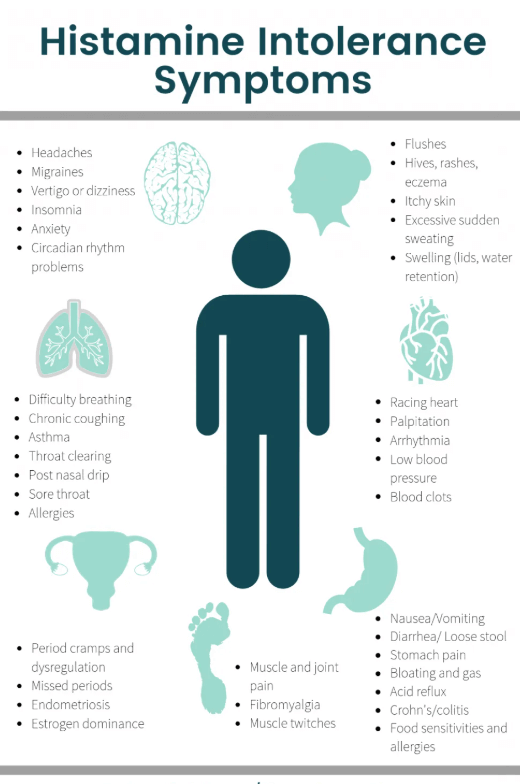
The symptoms can be wide-ranging because histamine affects multiple systems. Common signs include:
Skin: Hives, itching, flushing, or eczema
Digestive: Bloating, diarrhea, heartburn, or nausea
Respiratory: Congestion, sneezing, or asthma-like symptoms
Neurological: Headaches, dizziness, fatigue, anxiety, or brain fog
Cardiovascular: Rapid heart rate, low blood pressure, or palpitations
These symptoms often come and go, leading many to mistake histamine intolerance and chronic histamine response for allergies, food sensitivities, or even anxiety disorders.
How to Support Histamine Balance
The good news: histamine overload is manageable with lifestyle and nutrition strategies. Below are key steps — and two standout products from our product line that support the process.
1. Identify and Limit Triggers
Keep a symptom journal and note how you react to high-histamine foods or stressors. Gradually eliminate problematic items and reintroduce them to gauge tolerance.
2. Support DAO Enzyme Activity
Boost DAO production naturally through:
DAO-supportive nutrients: vitamin B6, copper, and vitamin C
Gut-healing probiotics like Bifidobacterium and Lactobacillus plantarum
Minimizing foods and situations that inhibit DAO function (e.g., alcohol, certain medications)
3. Focus on a Low-Histamine Diet
Choose fresh, whole foods and avoid long storage times (since histamine levels rise as food ages). Fresh meat, non-citrus fruits, most vegetables, and gluten-free grains are safe staples.
4. Manage Stress, Support Adrenals & Endocrine Balance
Because chronic stress and endocrine dysregulation can worsen histamine overload, supporting your adrenal and glandular systems is crucial. The following two products in our line are especially well-suited here:
Priority One Vitamins Stress B & C – Vitamin B & C with Adrenal Glandular Support
This formula combines B-complex vitamins, vitamin C, and adrenal gland concentrate to help support the body’s stress response, nervous system, and energy production. It’s designed to replenish nutrients that are often depleted under chronic stress — a key contributor to histamine dysregulation.
How it relates to histamine support: By reducing the adrenal/immune axis stress load and supporting optimal nutrient status (especially vitamin C), you help normalize the environment where histamine clearance occurs reducing the risk of chronic histamine response.
Stress B & C - Vitamin B and C supplements provide stress and adrenal support.*

$37.00
Stress B & C – Balanced Nutrient and Glandular Support for Stress and Energy* Stress B & C is a uniquely formulated B-complex and vitamin C supplement enhanced with whole adrenal gland concentrate to support the body’s natural stress response… read more
Priority One Vitamins Total Gland Plus – Comprehensive Multiglandular Support
This supplement provides freeze-dried bovine organ and glandular extracts (adrenal, thyroid, liver, pancreas, heart, kidney, etc) to support the entire endocrine and detoxification system.
Why it matters for histamine regulation: Histamine overload caused by chronic histamine response often doesn’t exist in isolation — it comes alongside adrenal fatigue, endocrine dysregulation, and poor detox capacity. Supporting the body’s glandular systems gives a wider foundation for histamine-balance strategies to succeed-
Total Gland Plus (90 Capsules) - Grass fed beef organs and glands.*

$60.00
Total Gland Plus – Comprehensive Multiglandular Support for Whole-Body Vitality* Total Gland Plus is nature’s most complete multiglandular formula, designed to support the entire endocrine system for balanced energy, hormonal health, and overall well-being in both men and women.* This… read more

5. Get Adequate Sleep and Recover
Sleep supports optimal immune, endocrine, and digestive function — all of which are integral to histamine containment. Create restful rituals (dark, cool room; consistent schedule) and limit stimulants close to bedtime.
6. When to Seek Help
If you suspect histamine intolerance or experience persistent symptoms despite lifestyle efforts, it’s important to work with a practitioner familiar with mast-cell activation and histamine metabolism. Lab testing for DAO activity, histamine levels, and gut health markers can help pinpoint the cause.
Histamine is not the enemy — it’s your body’s way of protecting you. But when it becomes unbalanced, it can wreak havoc on your health and quality of life. Understanding the causes of chronic histamine response and taking steps to restore balance can help you reclaim energy, focus, and comfort in your own skin.
By combining trigger-management, diet adjustments, stress and adrenal support, and targeted supplements like Stress B & C and Total Gland Plus, you give your system the tools it needs to recalibrate.
Disclaimer
These statements have not been evaluated by the Food & Drug Administration. These products are not intended to diagnose, treat, cure, or prevent any disease. Please consult with your healthcare provider before starting any new supplement, especially if you are pregnant, nursing, taking medications, or have a medical condition.
FAQs
1. What is chronic histamine response?
Chronic histamine response, also known as histamine overload or intolerance, occurs when the body produces or retains too much histamine. This can happen if your body’s enzymes (like DAO) can’t break down histamine efficiently. The result is widespread symptoms such as headaches, fatigue, digestive upset, and skin reactions.
2. What causes histamine intolerance?
Histamine intolerance often develops from gut imbalances, nutrient deficiencies (especially vitamin B6, copper, and vitamin C), or chronic stress that weakens the adrenal and immune systems. Certain foods — like aged cheeses, fermented products, and alcohol — also increase histamine levels.
3. How can I naturally reduce histamine overload?
You can help balance histamine naturally by:
Following a low-histamine diet (focus on fresh, whole foods).
Supporting DAO enzyme activity with nutrients like vitamin C and B6.
Managing stress and adrenal fatigue with supplements such as
Stress B & C and
Total Gland Plus.Rebalancing the gut through probiotic-rich foods or targeted supplements.
4. What are common symptoms of histamine overload?
Common signs include headaches, flushing, itchy skin, congestion, fatigue, brain fog, heart palpitations, and digestive discomfort. Because symptoms vary so widely, histamine intolerance is often mistaken for food allergies or anxiety.
5. How do stress and adrenal health affect histamine?
Chronic stress taxes your adrenal glands and disrupts cortisol balance, which can make the immune system more reactive — leading to excess histamine release. Supporting adrenal health with nutrients found in Stress B & C or comprehensive glandular formulas like Total Gland Plus helps calm this response.
6. Are supplements safe for histamine intolerance?
Yes, when chosen carefully. Nutrients that lower inflammation and support detoxification (like vitamin C, B vitamins, and glandular extracts) can help balance histamine levels. However, it’s best to consult a healthcare professional before starting any new supplement regimen.
7. When should I see a doctor?
If symptoms are persistent, severe, or interfere with daily life, consult a practitioner familiar with histamine intolerance or mast-cell activation. Testing for DAO activity, histamine levels, and gut health can provide deeper insights.
8. Can histamine overload be cured?
While histamine intolerance isn’t typically “cured,” it can be managed successfully with the right diet, stress management, and targeted nutritional support. Many people experience major improvement within weeks of consistent lifestyle adjustments.